
on all types of surfaces
Purchase and transport of material to your home
Preparation of the surface for grass installation
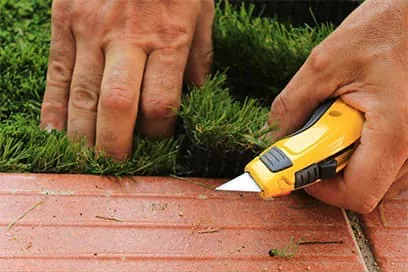
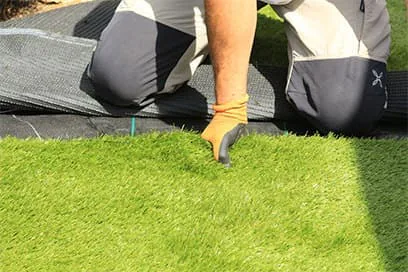
Installation
Help choosing the type of grass
Choosing the best manufacturer according to quality/price
Calculation of the required square meters
Guarantees for the work carried out
the price is indicative and depends on the specific installation conditions, the range of grass and the volume of work
Natural grass
Artificial grass
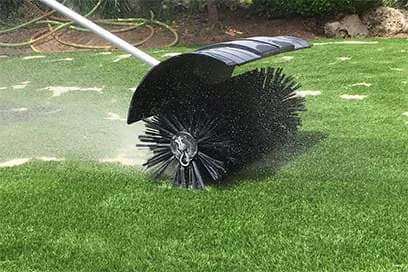
Maintenance
Natural planting requires intensive and timely care. It must be watered, cut, fertilized, aerated, scarified and reseeded regularly. These treatments require special machinery and tools. The cost in time and money for necessary treatments is significant
Artificial grass does not need these complicated treatments and care
Durability
It is necessary to reseed the grass from time to time, aerate or scarify it. Plants rot, dry out and suffer attacks from worms or fungi
Artificial grass can last around 15 years on average. This grass is not damaged by natural factors
Wear resistance
For natural grass to have a spectacular appearance, it should not be stepped on, walked on or played on. Otherwise it deteriorates, suffers wear and bare patches appear
Artificial grass withstands the passage of time well and does not have similar disadvantages; it is made to withstand all kinds of impacts and the passage of time
Good appearance
Its natural origin and spectacular appearance
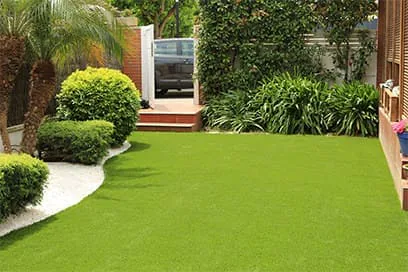
Modern manufacturing and installation technologies ensure a natural appearance of artificial turf, making it almost impossible to distinguish it from natural grass
Immediate installation
Sowing grass involves preparation that takes time and waiting time to see the result
Artificial grass can be installed quickly, changing the landscape according to your tastes
Decorative
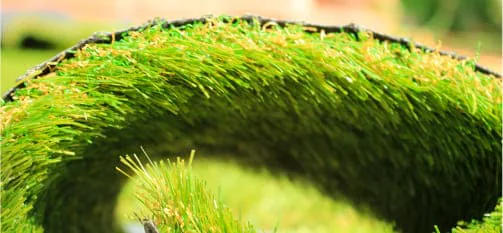
It is the closest to natural grass. It is almost impossible to distinguish artificial grass from natural grass, and it is equally soft and elastic. But it is recommended only as decoration. The grass blades are very delicate and over time lose elasticity, flatten and pull out
Sports
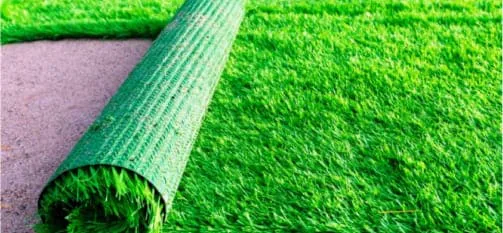
It is manufactured with very soft plastic fibers among which quartz sand is poured. It is suitable for leisure areas, playgrounds and sports areas. The artificial grass cushions falls. It is recommended for medium use
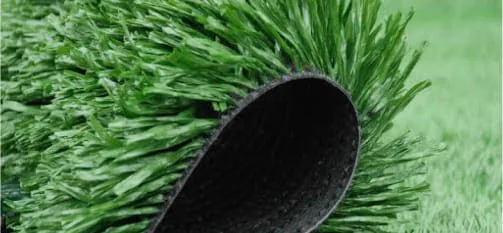
Durable
It has the hardest fiber, resistant to heavy loads, made of polyethylene. Quartz sand and also rubber granules are poured between the grass blades, which cushion falls well and reduce friction force
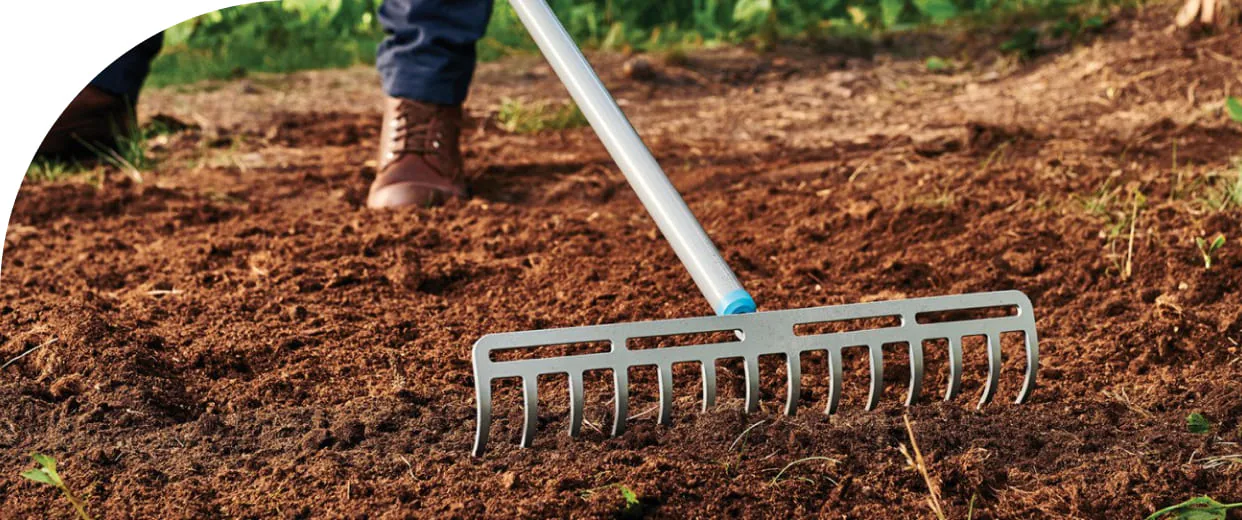
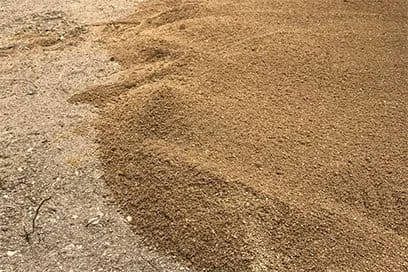
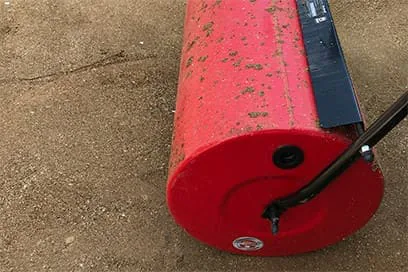
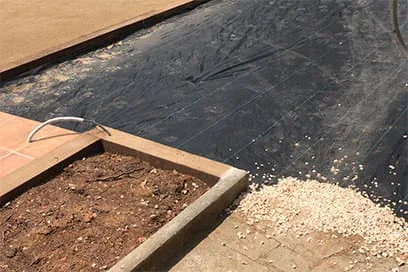
Only if the surface is properly prepared can the artificial grass be installed well, without small displacements and without visible joints. For that it is necessary to do the following:
It is recommended to follow the grass manufacturers’ recommendations, as preparation conditions may vary. To provide drainage for runoff, crushed stone or gravel is placed under the grass in different layers, and possible ground settlements must also be identified and corrected
Once the grass has been chosen according to tastes and needs, you can think about the place where it will be installed, correctly calculate the required surface and the materials to prepare the base for installation